


[This post ran a little long – if you’re reading in your email app, click ‘read in app’ or ‘view in browser’ to get the whole thing]
And so we come to the end of another year. Congratulations, you made it!
Looking back on 2025’s music has been nothing less than a joy – although settling on a final list has felt harder than most years.
Below is my full top 20 records of 2025 list, complete with each review taken from the ‘In My Ears’ series (with extras for albums not previously included). Of course, if you prefer to watch it instead, the YouTube video is now available in traditional end-of-year fashion.
Paid subscribers have a few fun extra treats to look forward to: an exclusive video dropping between now and Christmas, and the next Listening Club session, where we’ll be diving into my album of the year. That will take place on Thursday 18th December at 21:00 GMT (and don’t worry, I’ll send you a separate email about that one).
And if you’re not yet a paid subscriber, for December only I’m offering 25% off an annual subscription for 2026.

20. Navy Blue – The Sword and the Soaring
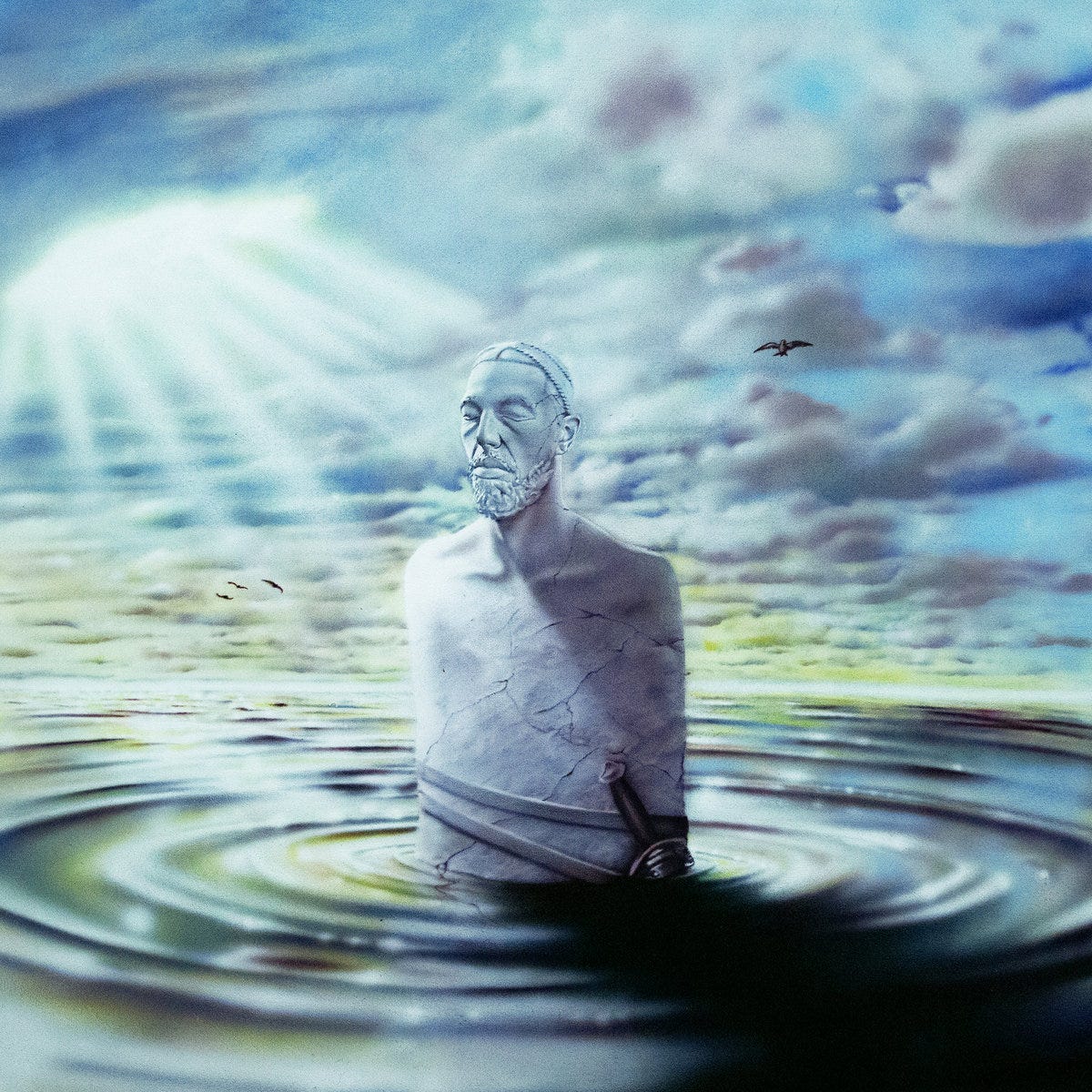
In a nutshell: Intimacy that cuts like a knife – a hip hop record, or snatches of an unfiltered diary? You be the judge.
What I wrote: Sage Elsesser hasn’t exactly enjoyed the smoothest route as an artist. Following his 2023 Def Jam debut Ways of Knowing, the label unceremoniously dropped him – and subsequently held the almost-finished follow-up hostage in the process. Not one for resting on his laurels, he produced and released another record Memoirs in Armour independently, and along the way made a name for himself as an introspective, honest wordsmith. The Sword and the Soaring is a beautifully intimate musing on loss and grief, defined by Elsesser’s steady flow and sixteen gorgeous instrumental tracks. As he deals with the death of his brother, whom he viewed as a kind of “guardian angel”, I often felt as though I were rifling through a diary I had no business reading. On ‘Orchards’, he performs the lines: “I love the dark because the light meaning my brother near…the forecast of his youth last a hundred years. Downpour of his rain, wasn’t nothing clear.” Elsesser is one of those artists who pores over the double meanings of his poetry, placing every line to an exacting standard. But this approach never feels clinical as a listener – his emotions are messy and scrawled, raw alongside those gorgeous instrumentals.
On the playlist: ‘Tale of Truth’ & ‘24 Gospel’
19. The Necks – Disquiet
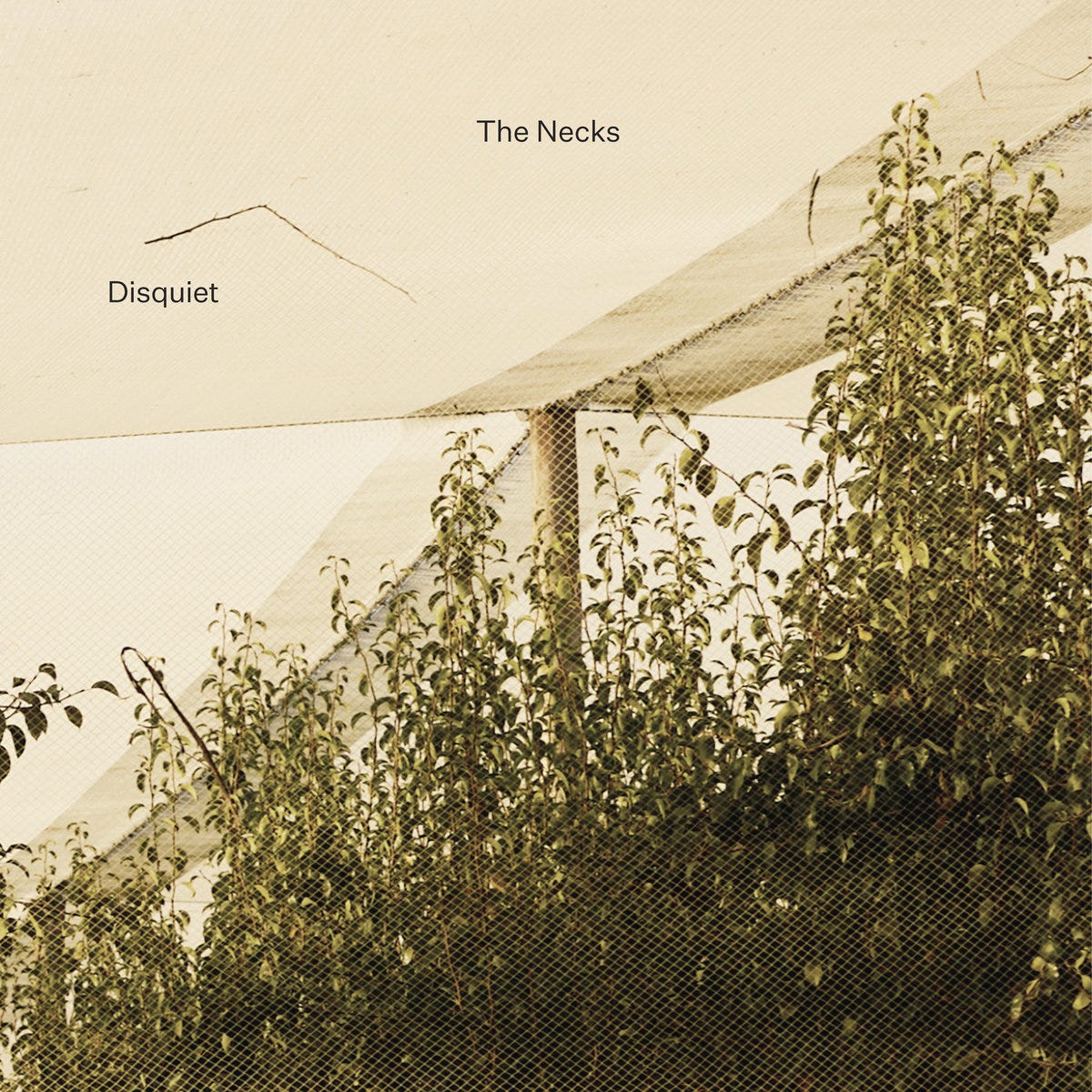
In a nutshell: Three hours of improvised minimalism, from a trio doing it better than the rest for decades.
What I wrote: Since 1987, Aussie trio The Necks have produced hours of freeform improvised music unfastened from convention. More enigmatic mood pieces than songs, the band takes a single motif and slowly unfurl it between piano, double bass and drums, frequently passing the 60-minute mark from embryonic stage to the fully realised concept. It’s often described as “jazzy” but that’s really only in the improvisational sense – whereas jazz groups frequently spotlight the chops of each performer, The Necks float alongside one another in euphony, syncing up to foster this unstructured sound. I’ve loved listening to Disquiet this week – despite the album title’s suggestion of unease, the three pieces totalling more than three hours were a wonderful solace from an intense set of meetings that sprawled across my working hours. Chris Abrahams’ fingers wander from motif to motif on piano and organ, leading Lloyd Swanton’s double bass and the textured drums of Tony Buck.
On the playlist: ‘Rapid Eye Movement’ & ‘Causeway’
18. Oneohtrix Point Never – Tranquilizer
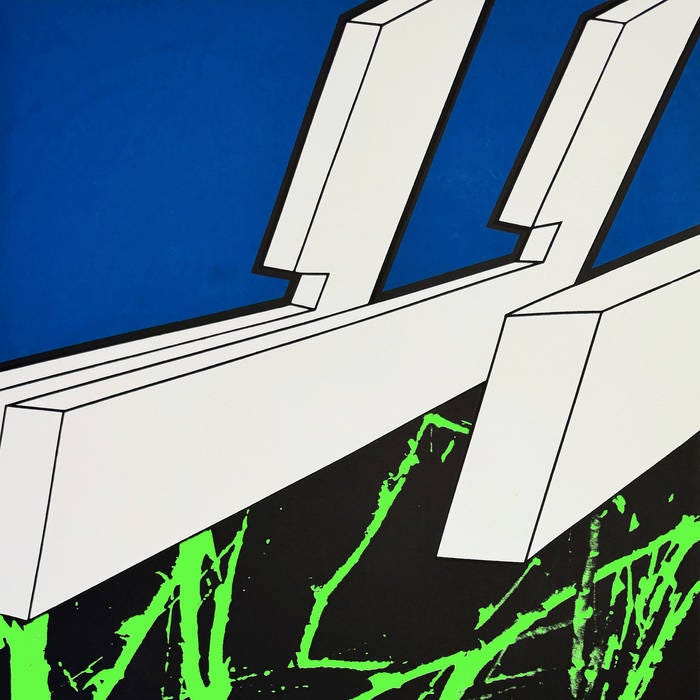
In a nutshell: A return to the OPN of days gone by, prepare yourself for a hazy trip through an engulfing soundscape.
What I wrote: Over his last few studio projects, Daniel Lopatin drifted into the world of leftfield electronic pop. Magic Oneohtrix Point Never and Again both bear the hallmarks of an artist much closer to the mainstream than in his early career. All of this makes sense, considering his exec producing on a smash record like The Weeknd’s Dawn FM (a record I’m still returning to nearly four years later). His pulsating soundtracks for films like Good Time and Uncut Gems had him brushing with the likes of Robert Pattinson and Adam Sandler – even Iggy Pop for the former. All of this is to preface the fact that I was pretty convinced his dense, atmospheric work of the early-to-mid 2010s wasn’t returning. How wrong was I? Tranquilizer is being referred to in some circles as Replica 2.0, Lopatin’s 2011 record constructed from television adverts and samples from the 90s. The result of that particular experiment was an intense collage of tones and textures, saturated with a melancholy that frequently borders on the unnerving. The core difference with Tranquilizer is how different the project makes you feel. At no point was I unsettled by the confluence of smeared and stretched new age tones on ‘Vestigel’, or the sparing percussion that pushes through on ‘Measuring Ruins’. For all of Lopatin’s experimental techniques and his willingness to challenge listeners, Tranquilizer is straight-up one of the most melodic and dulcet records he’s ever put out. Sounds glitter into the ether, disappearing behind a distant saxophone melody. Water rushes over rocks into natural pools, basking in pitch-shifted vocal sounds drenched in infinite reverb. Once the invigorating finale plays out, you’re washed in a steady calm, having floated through Lopatin’s dense but gently enveloping sample soundscape. My favourite of his since R Plus Seven.
On the playlist: ‘Cherry Blue’ & ‘Waterfalls’
17. Danny Brown – Stardust
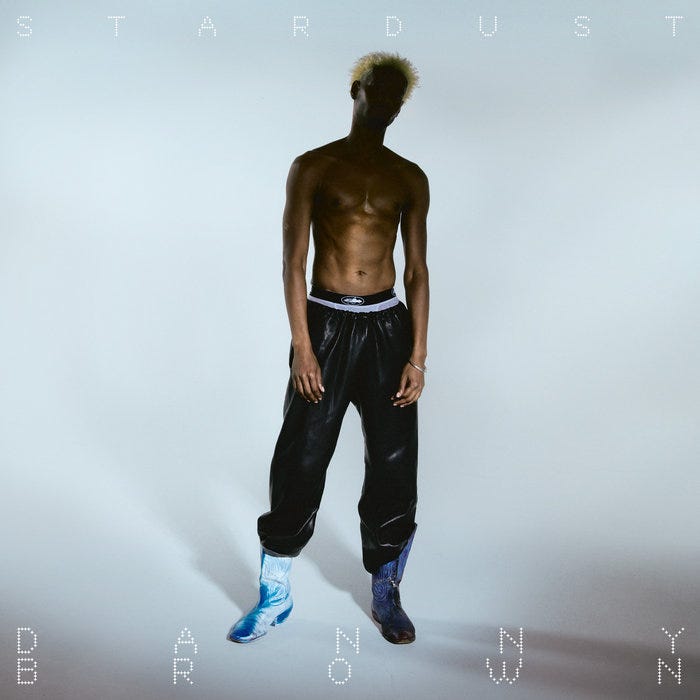
In a nutshell: An invigorating return, this is one of the most fun Danny Brown projects to date.
What I wrote: I will always spend a lot of time with a new Danny Brown project. Ever since 2012’s XXX, the Detroit rapper and musician has been an outlier in US hip-hop, striving for instrumentals that buck the trends of the moment and flexing over them with his trademark squawky delivery. The real diamond was 2016’s Atrocity Exhibition, a dizzying achievement that remains one of the greatest records of the century. Working with Paul White was an inspired choice, the two jointly developing this claustrophobic inversion of modern hip-hop. Brown’s records since have always had something distinct to offer – 2019’s uknowhatimsayin? was the sound of a musician fully comfortable in his place as the wayward innovator, while Quaranta echoed its austere cover art with subdued and solemn music. Conversely, Stardust is the sound of Brown having fun in this post-rehab period of his life, revelling in the vibrant technicolour of hyperpop. And you know what? It’s an infectious listen from front to back, bolstered by features that reinforce his indie credentials considerably. Two Quadeca features, an outro with Jane Remover, and a turn from femtanyl? Well played, sir.
On the playlist: ‘Copycats’ & ‘The End’
16. Sudan Archives – The BPM
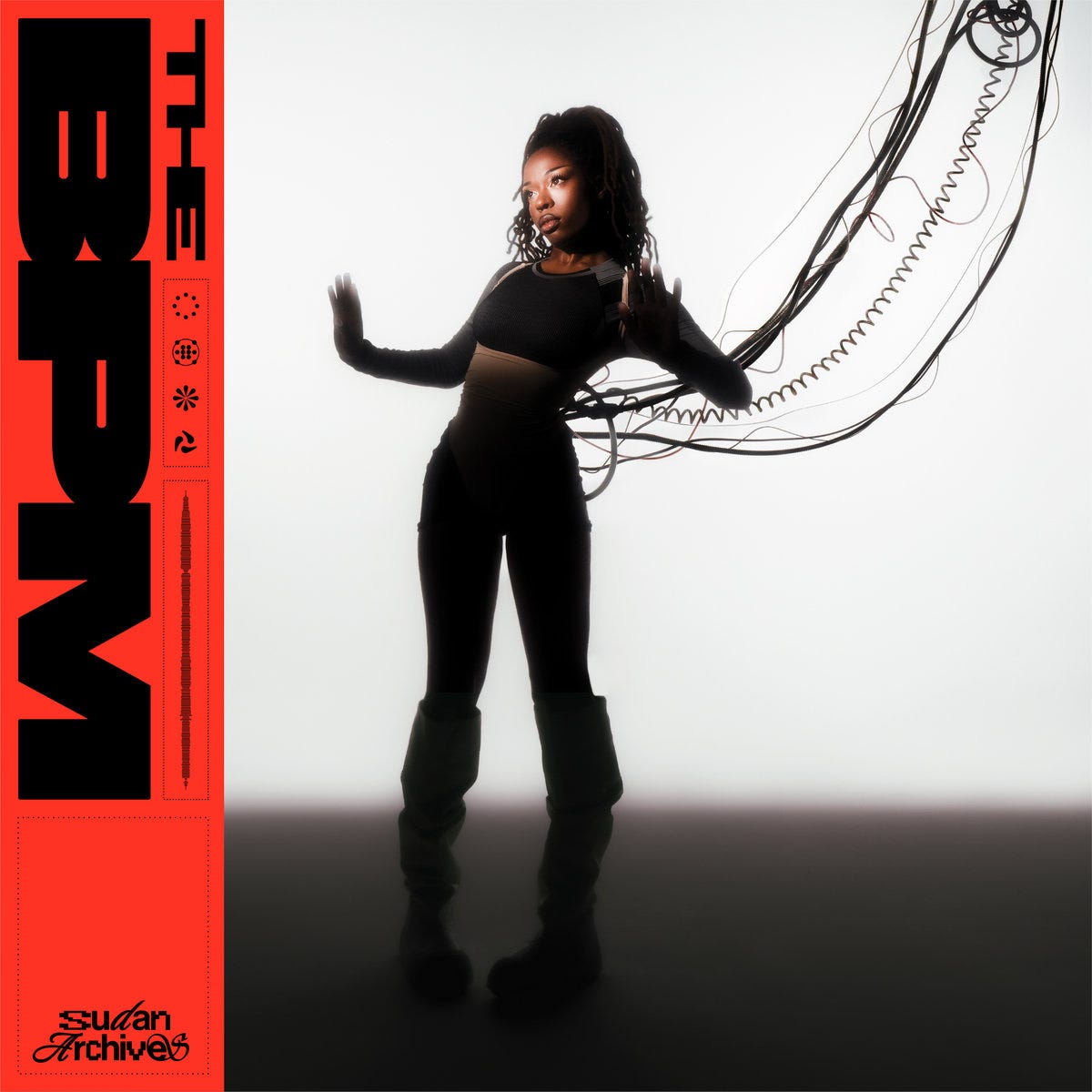
In a nutshell: Stuffed to the gills with electronic invention, Sudan Archives continues to flourish and experiment.
What I wrote: Brittney Denise Parks dazzled in 2022 with her second Sudan Archives record, Natural Brown Prom Queen. It spotlit an artist with an exquisite palette, a taste which fused together the classic modes of R&B with a defiant electronic sound. On first listen to successor THE BPM, it’s clear to me that Parks has taken the fusion further: a wonderfully dense and intricate collection of songs, I found myself frequently hitting the repeat button just to experience them again. THE BPM is more enamoured with ‘mainstream’ EDM than the previous record, but it’s the inversions of the genre which make her arrangements so riveting – on ‘THE NATURE OF POWER’, what begins as a typical mix of snare handclaps and a four-to-the-floor beat morphs into something more delicate, lifted by stirring strings. Parks has a deep understanding of strings, having played violin from a young age, and I wonder if it’s her mastery of an acoustic instrument that enables her to craft such intricate digital soundscapes. As someone fascinated by analogue and digital synthesis, I can imagine her spending hours tirelessly working on patches, obsessively trying to find the perfect timbre for a song. Elsewhere, her hip-hop braggadocio keeps the record moving, evident on humorous track ‘MS. PAC MAN’. But even there, the beat is stuffed with modulated samples and tones.
On the playlist: ‘TOUCH ME’ & ‘SHE’S GOT PAIN’
15. Conjurer – Unself
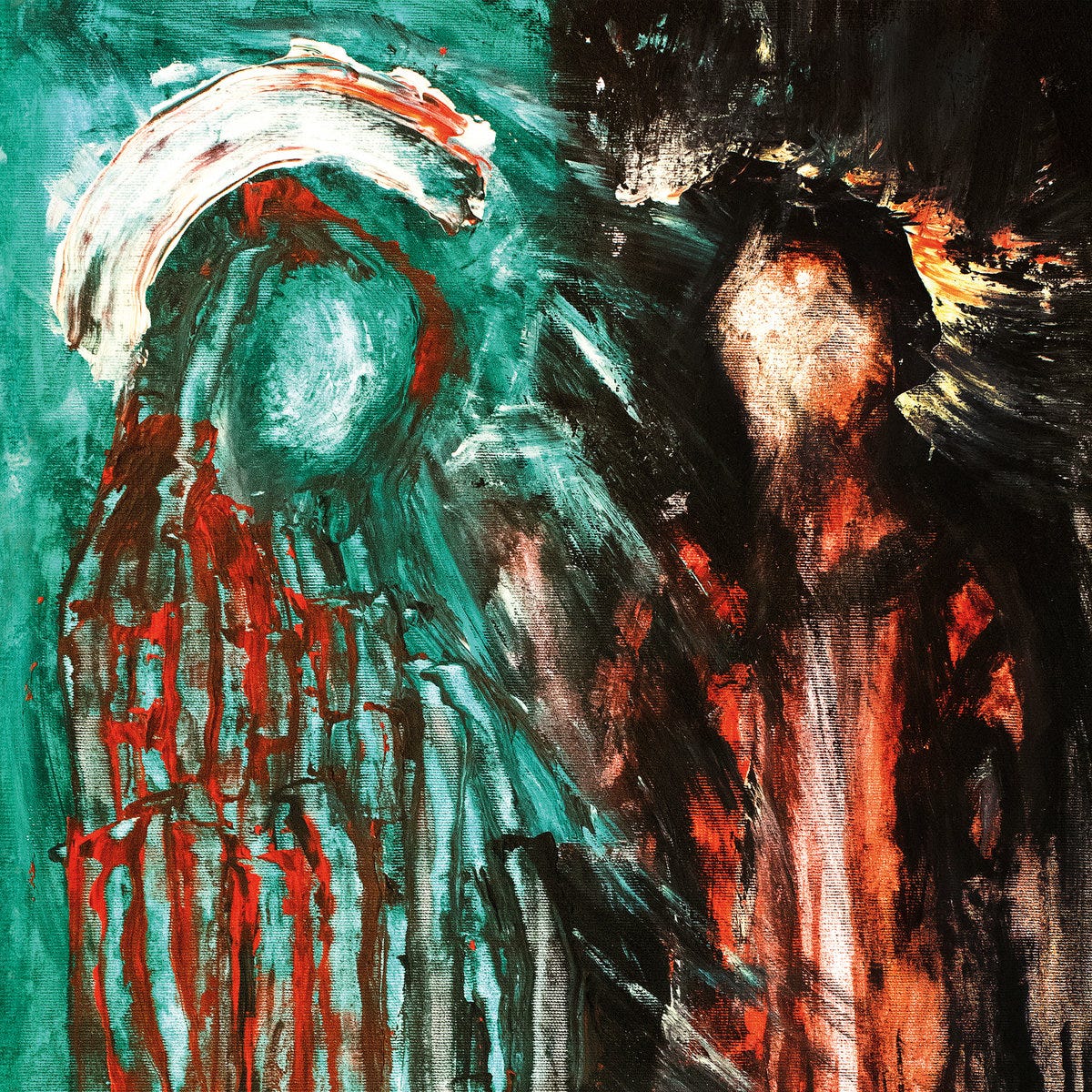
In a nutshell: With crushing riffs that initially belie its sensitive centre, Conjurer has something to say – and in doing so created the year’s best metal record.
What I wrote: Quite frankly, Conjurer’s new record is a triumph, and unlike any other heavy record I’ve heard this year. It’s difficult to articulate how baffled I was to hear the new direction for the first time, though: the opening title track begins with gentle acoustic guitar strums and a quiet croon. A croon? Did I have the wrong record on? The band haven’t by any means abandoned the crushing riffs that made previous release Páthos such a delight, but with Unself comes a renewed sense of confidence and purpose to go beyond the finely-tuned brutality of their previous work. Trying something altogether different, the music and lyricism is united by themes of belonging and disembodiment, navigating a world you don’t feel part of. (I spoke with Brady and Dani for a long-form interview back in October, which you can read here). Suffice to say I think this record is a seriously impressive piece of work, and one that’s brave enough to take a big swing.
On the playlist: ‘All Apart’ & ‘Let Us Live’
14. Ethel Cain – Willoughby Tucker, I Will Always Love You
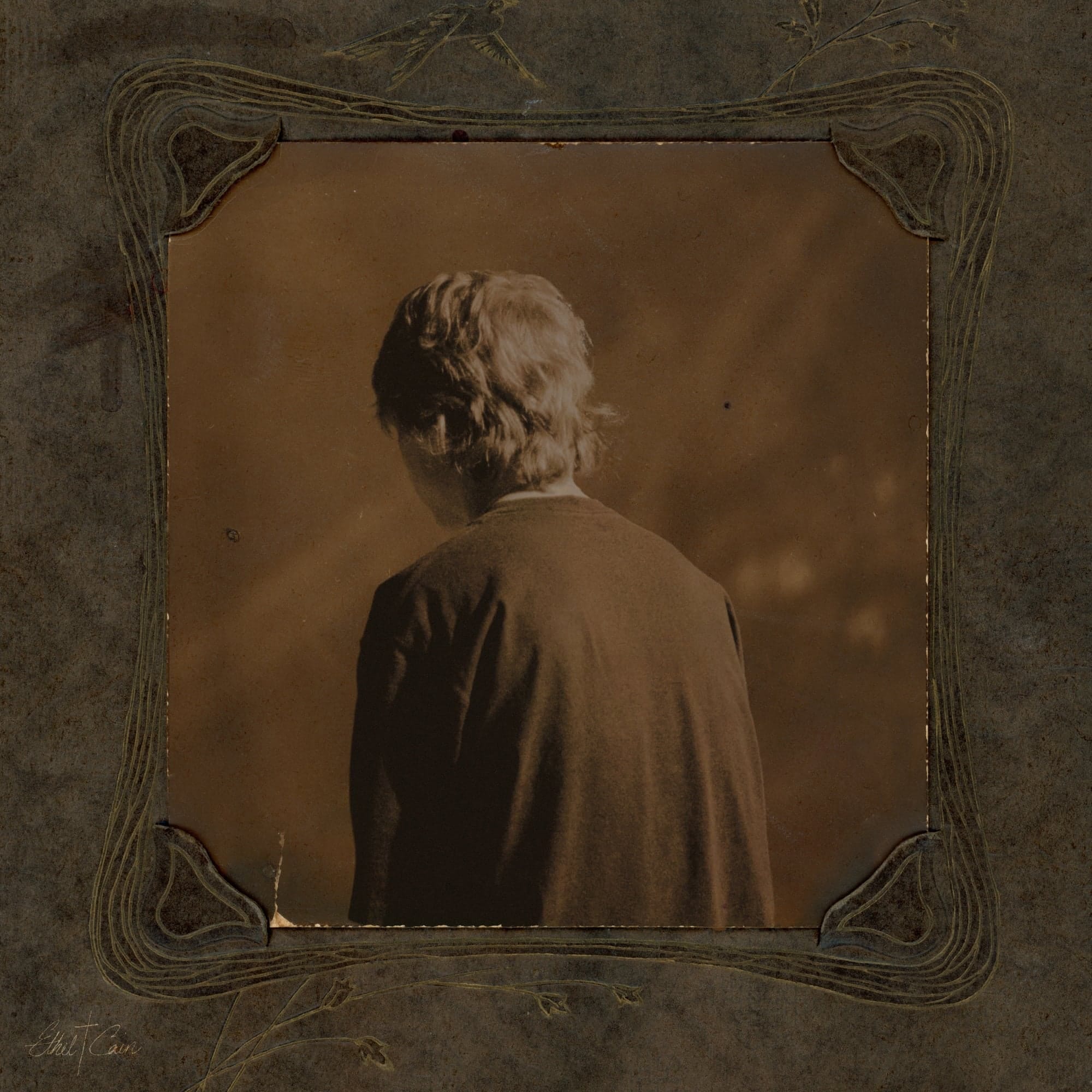
In a nutshell: Listen and feel the dust of rural America swirl around you.
What I wrote: First, a note on the recent controversy surrounding Hayden Anhedönia, aka Ethel Cain. Earlier this year, racist social media posts she made at 19 were resurfaced. She has since issued a lengthy statement offering a mea culpa, along with responses to a number of other allegations that appear less substantiated. You can read the full statement at your leisure; whether the apology feels sufficient is a debate with valid perspectives on both sides. What I will say is that I hope she finds meaningful ways to make amends to those hurt by her past posts, because her historic actions stand in stark contrast to the Ethel Cain project and the Southern Gothic, contemplative slowcore that makes her work such a rich sonic experience. There is bravery in an artist who, despite a clear talent for widescreen pop songwriting (just listen to ‘American Teenager’ from 2022’s Preacher’s Daughter), resists the pull of the mainstream. That said, there is a single pop masterclass hidden within Willoughby Tucker, I’ll Always Love You: the track ‘Fuck Me Eyes.’ I didn’t love it on first listen, but within the context of a record that moves seamlessly from vocal-led tracks to sprawling instrumentals, the juxtaposition really works. There’s so much desolation to be found across this record; the mechanical beeps of a heart monitor in ‘Tempest’, or the lo-fi guitar swelling outward on the 15-minute closer ‘Waco, Texas’.
On the playlist: ‘Janie’ & ‘Tempest’
13. The Residents – Doctor Dark

In a nutshell: Mad, funny, at times a little unpleasant – the latest from The Residents is exactly the kind of insanity you’d expect from these weirdo legends.
What I wrote: Did I think that one of the best records of 2025 would be a three-act ‘opera’ from an art rock group that’s been around since the 70s? No, obviously I did not. But Doctor Dark, the 35th (!!) studio record from American oddballs The Residents, is an audacious and strange record that dashes from punky thrash metal, to sweeping orchestral passages, to shouts of ‘life is just a jizzy pisshole, full of farts and empty manholes.’ The narrative follows two teenagers, Maggot and Mark, and a physician based on the real-life euthanasia advocate Jack Kevorkian. That garish artwork alludes to another of the real-life influences pulled into this weird piece of work: two teenagers who tried to kill themselves after listening to a Judas Priest record. The band were taken to court in 1990 on the grounds that there were subliminal messages in their cover of the song ‘Better By You, Better Than Me’, but the lawsuit was dismissed. Priest are replaced in the narrative of Doctor Dark by The Greasy Weasels, as noted in a faux radio broadcast played out towards the end of track ‘Tension’, amidst dramatic strings and horn parts. What I found most arresting about this project is how deftly arranged the music is – for all the strangeness of what’s here, there are entire songs that disarm you with how alluring they are. Fourth track ‘She Was Never Lovelier’ is forlorn with its classical strings, joined by a haunting pitch-shifted vocal performance. At an hour and 16 minutes this is one to take your time with, but if you’re willing it’s a beguiling and intense record.
On the playlist: ‘White Guys With Guns’ & ‘Calm Before’
12. Geese – Getting Killed
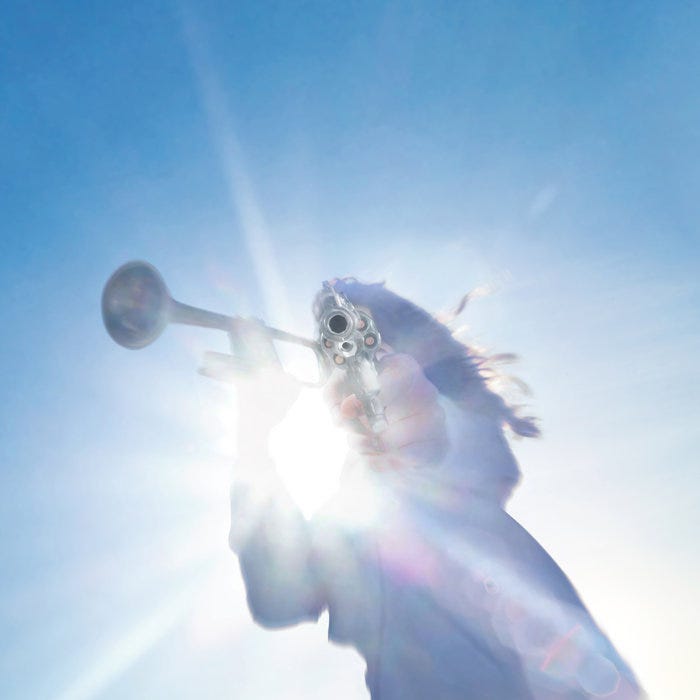
In a nutshell: Indie rock hasn’t sounded this original in a while (and don’t miss out on the From the Basement session, which is even better).
What I wrote: The latest band to be having a moment™️ in the indie music world, Brooklyn quartet Geese built a decent level of fervour for their fourth record Getting Killed. Some of that was thanks to frontman Cameron Winter’s Heavy Metal, a record sneaked out in the throes of 2024 that I shamefully only got around to listening to a couple of months ago. Geese (and Winter) are a peculiar prospect: crowd-pleasing throwback rock songs performed in a loose fashion, each player vibrating with energy channeled through the prism of Gen Z unease and frustration for our fractured times. To top it off, Winter has a vocal style which strains to reach the notes almost beyond his range, raggedy performances that sometimes recall Tom Waits or Leonard Cohen, and at other moments Van Morrison (with more than a hint of Will Toledo from Car Seat Headrest). For some that’ll be the element that doesn’t work, but it’s a combination I found compelling. The cacophony of opener ‘Trinidad’ sets expectations, with Winter and guest JPEGMAFIA screaming “There’s a bomb in my car”, cymbal thwacks disorientating as they’re panned left-to-right. But the band also succeed in something more soulful – the gentle trickle of ‘Husbands’ as Winter’s voice cracks alongside rich vocal harmonies, or the gorgeous ‘Au Pays du Cocaine’, the track that cemented this record as something special for me.
On the playlist: ‘Au Pays du Cocaine’ & ‘Bow Down’
11. Neptunian Maximalism – Le Sacre Du Soleil Invaincu
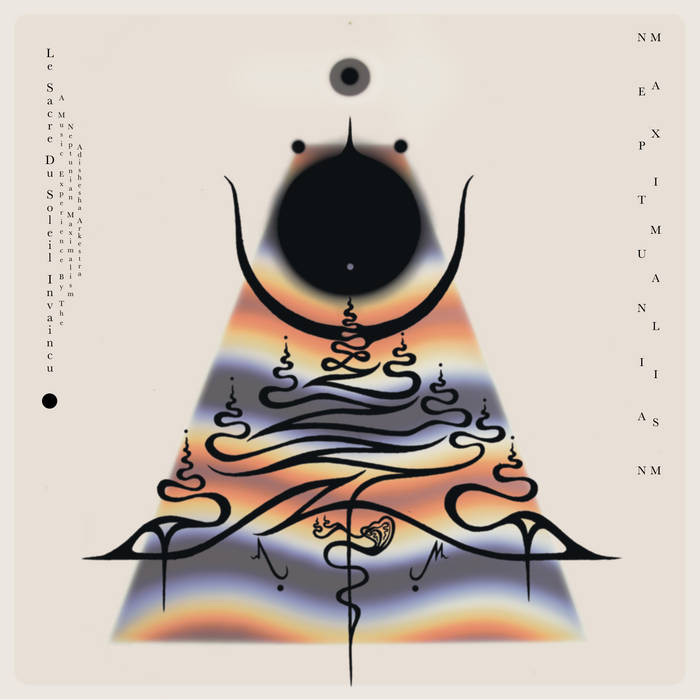
In a nutshell: Kaleidoscopic in the strongest terms, this melting pot of genres is even more astonishing when you consider it was recorded live.
What I wrote: Try to picture a combination drone, doom metal, free jazz and Indian raga stuffed into a single live-recording of nearly 1 hour 40 minutes. Luckily you don’t have to, because experimental collective Neptunian Maximalism has done just that with latest record Le Sacre Du Soleil Invaincu. Some of you may have been introduced to the group through their 2020 record Éons, which gifted us two hours of pure mind-melting psychedelia. The Brussels-founded group craft immersive soundscapes, expecting listeners to surrender to lengthy, exploratory projects meant to be absorbed in full – so if you’re willing to give this record a spin, carve some time out to do it justice. I listened all the way through five times this past week, each time becoming more entranced by the cavernous, distorted chords and bass sitar melodies, the ghostly, wordless vocals ascending and cascading in unexpected ways.
On the playlist: ‘At Dusk : Raag Marwa : Vilambit Laya Alaap’ & ‘At Dawn : Raag Bairagi : Vilambit Laya Alaap’
10. Alex G – Headlights
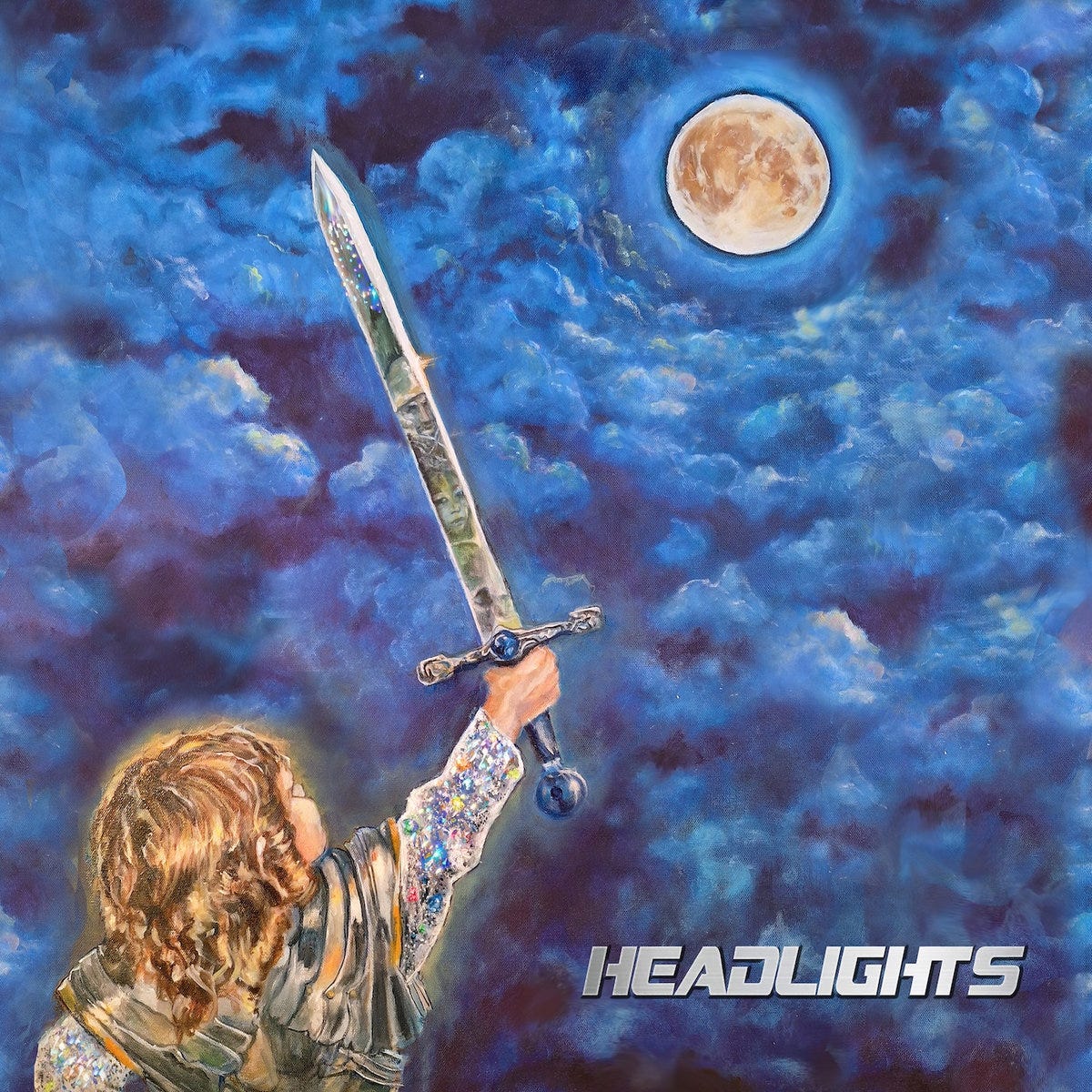
In a nutshell: Alex G’s best record yet, it’s a proper statement from an artist who deserves to be far bigger than his sort-of cult following suggests.
What I wrote: Alexander Giannascoli, will you chill out a bit? Headlights follows 2022’s God Save The Animals, a brilliant record which featured pretty high up in my favourite albums of that year. Somehow this is Alex’s 10th LP, having only arrived on the lo-fi/folk/indie-rock scene in 2009. You can’t knock that level of output, particularly when the music is this engaging. Despite the litany of high points in his already-sizeable discography, Headlights is his best record yet – I’m completely bowled over by how good this is. His explorative songwriting goes from strength to strength, bringing an even more detailed and textured sound. Having signed to RCA, this is his major label debut, and the inclusion of mandolins and accordions to his Elliott Smith-esque style of confessional, yet playful songwriting plays a big part in selling this to me. I don’t say this lightly; alongside Geese, indie rock rarely gets better than this. Outstanding.
On the playlist: ‘Spinning’ & ‘Oranges’
9. Kelly Moran – Don’t Trust Mirrors
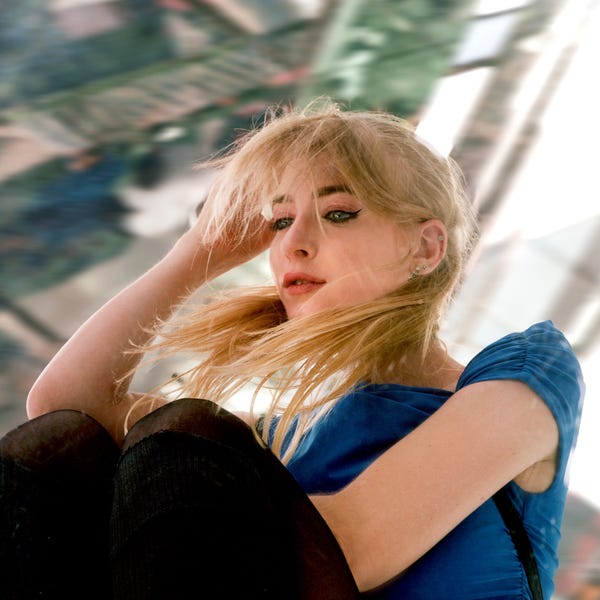
In a nutshell: Acoustic and digital collide on Moran’s latest, a reinvention of last year’s solo piano sound.
What I wrote: I’m delighted that the latest LP from the American electronic artist is a continuation of her deftly-constructed compositions, a fusion of technology and piano. A clever play on words, Don’t Trust Mirrors is in part a distortion of last year’s Moves in the Field – the 2024 record featured Moran “duetting” with a Yamaha Disklavier, a modified piano which uses sensors to perform all on its own. (It’s pretty cool – if you haven’t seen one in action, it’s as if an invisible performer is sat at the instrument.) The stripped-back piano-only set up of Moves in the Field is gone for Moran’s follow up, this time a return to a blending of piano and electronic synthesis. As a fan of the emotional spaces she burrowed into with last year’s record, Don’t Trust Mirrors is a brilliant execution of a developing idea. Listen to a track like ‘Chrysalis’ and you’ll recognise the melody of ‘Butterfly Phase’ from the previous album. But while the piano-only construction of the latter felt sparse with its singular instrumentation, this reworking takes advantage of the percussive possibilities of the instrument, altering the timbre and reshaping the mood entirely. Moran does it more explicitly on finale ‘Cathedral’, opting for floating pads to play out the chords of sister track ‘Leitmotif’.
On the playlist: ‘Echo in the Field’ & ‘Cathedral’
8. Cardiacs – LSD
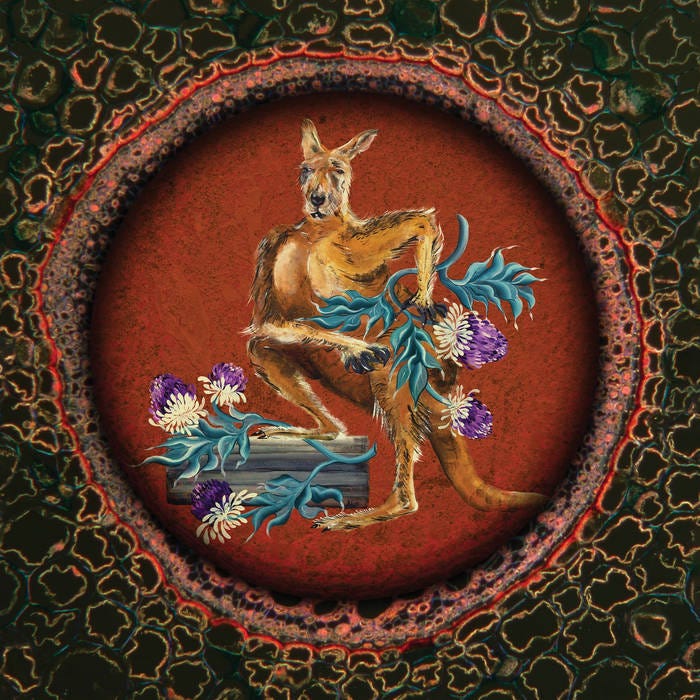
In a nutshell: The long-awaited return of Cardiacs did not disappoint, featuring the mythical spectre of Tim Smith at every turn.
What I wrote: It’s difficult to overstate the collective fervour for LSD, the mythical Cardiacs record decades in the making. Fans of the wildly-entertaining prog-art-rock band haven’t had a full length to salivate over since 1999’s Guns, and frontman Tim Smith’s illness and death in 2020 put a full stop on the band’s activities. Until now. Having listened to the record on repeat over the past week (thank you Mike Vennart for the early copy), I’m delighted to say that this project miraculously lives up to the weight of expectation. Tim’s brother Jim, along with Kavus Torabi, Vennart, Bob Leith, Rose-Ellen Kemp and a host of others, have succeeded in the near-impossible task of completing Tim’s distinctive vision and cramming it into this very Cardiacs-y double album. I said this about lead single ‘Woodeneye’ to Mike when I chatted to him in August, but Tim’s presence is palpable in that song, despite his voice not actually featuring anywhere. The band have extended that feeling across every track on LSD, transmitting Tim’s madcap musical inventiveness and producing not just a tribute to Tim, but a properly brilliant Cardiacs record. The lofty and dramatic ‘Men in Bed’ is among the best Cardiacs opening tracks, Vennart capably handling vocals with its triumphant “I surrender” refrain. ‘Skating’ encapsulates everything wonderful and weird about this band; seemingly-unconnected chords give way to ghostly backing vocals and a pulsing sine wave. ‘Busty Beez’ is a joyous eight-minute build, its crescendo lifted by Rose-Ellen Kemp’s theatrical vocals. A true triumph, and a deserved moment for the band and their fans.
On the playlist: ‘Gen’ & ‘Volob’
7. aya – hexed!
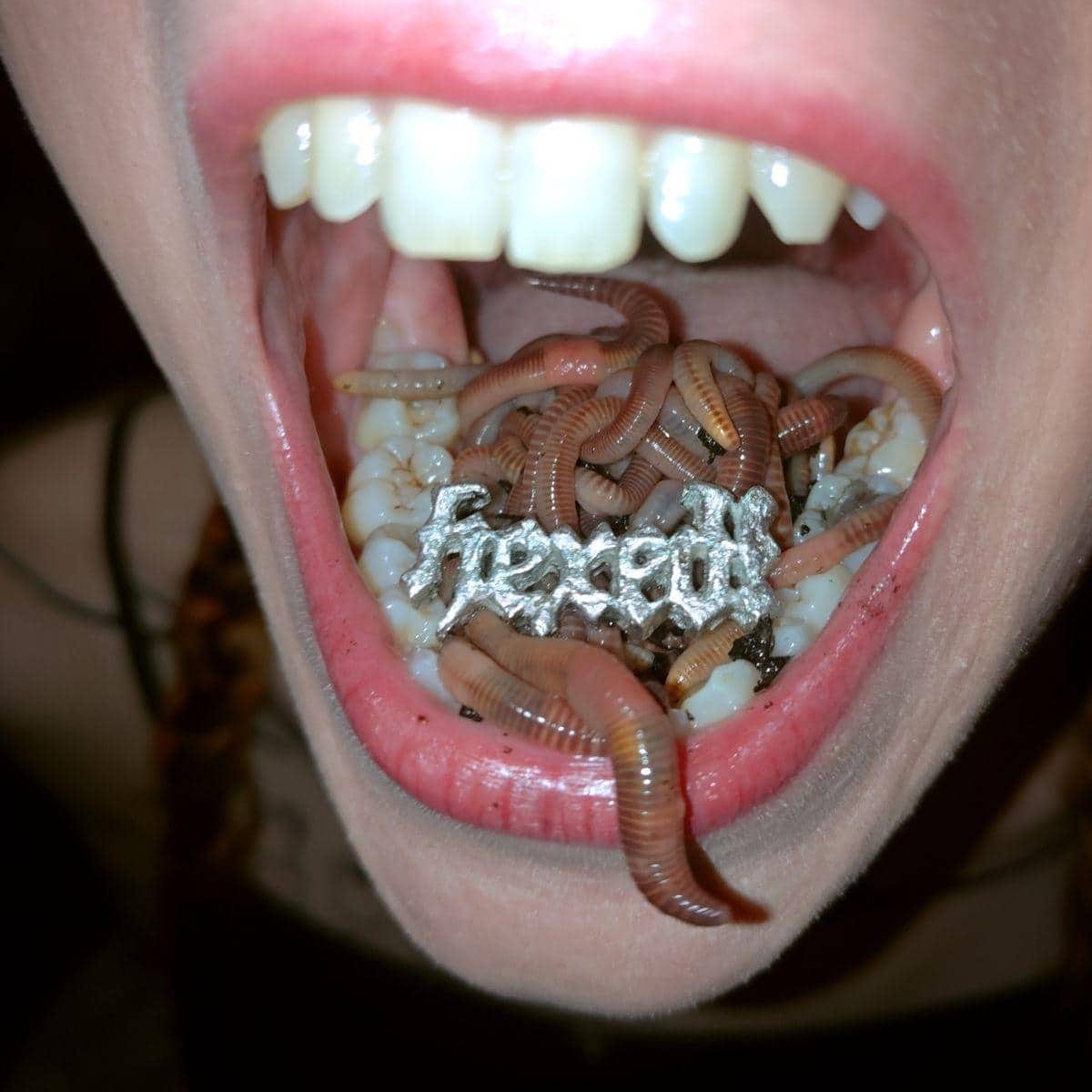
In a nutshell: A bold new voice in the electronic music landscape, hexed! is nothing short of visionary.
What I wrote: The artwork of hexed! accurately manifests the tone of the music – as alarming an experience as a mass of earthworms squirming in your mouth. London-based aya (real name Aya Sinclair) is the one gobbling the twisting wrigglers in the cover art, but insists in an interview with The Wire magazine that it wasn’t ‘a big deal’. No, aya, but it is a bit grim, no? Imagine the flesh and organs of PC Music bundled into a hessian sack with razor wire and whacked with an iron bar, and we’re some way towards an approximation of this volley of clattering beats and synths. It appears aya left no tool in her electronic arsenal unused, borrowing from UK bass, techno and noise collage to impose herself across a tight 34 minutes. As a little taste test, ‘off to the Esso’ has it all – throbbing bass, startling revving roars, and a chorus brushing the shout-along style of 2000s indie noiseniks like Test Icicles. The shaking bass on ‘heath death’ matures to a face melter of a beat, swarming with squeals and skittering swoops. It’s an electrifying moment on a record already bursting at the seams with intensity. Even when aya pulls the plug for a bit, the quality of her songwriting shines through – on ‘The Petard is my Hoister’, anxious strings introduce a solitary instrumental interlude, a beautiful penultimate track.
On the playlist: ‘off to the ESSO’ & ‘The Petard is my Hoister’
6. billy woods – GOLLIWOG
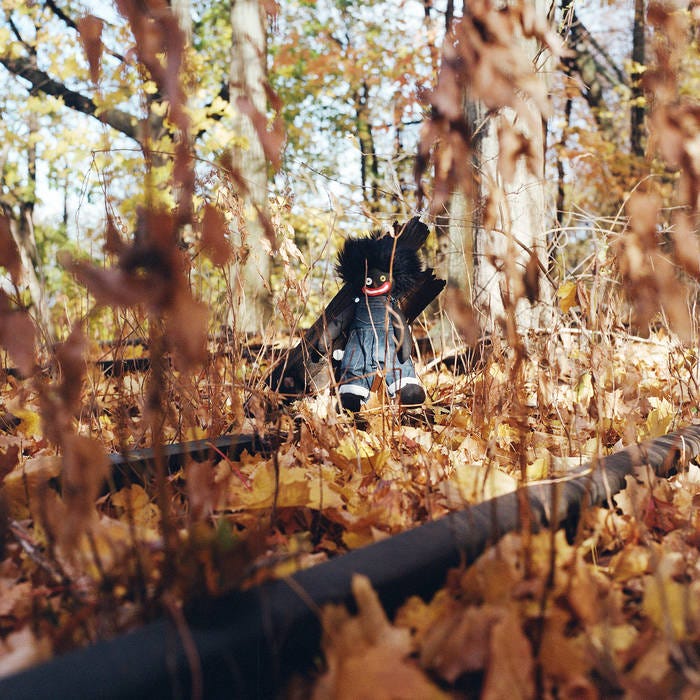
In a nutshell: Too definitive to call this one of the best hip hop records of the 2020s so far? I think not.
What I wrote: At this point we have to acknowledge that billy woods is an all-timer, deserving of a place in the pantheon of the greatest hip hop wordsmiths to put pen to paper. From his own solo releases, to the Armand Hammer project with ELUCID, he’s the kind of poet likely to namedrop Sylvia Plath and an allusion to the Zimbabwean war of independence in the same breath – in fact, both of those things appear on GOLLIWOG, the 9th solo record the Backwoodz Studioz founder has put out since 2003. The project has been rightly identified as horrorcore by listeners and critics, but don’t go in expecting John Carpenter-esque string stabs and stories about grim masked murderers stalking around suburbia. Horror is undeniably the glue holding the record together, but it doesn’t convey this using the tropes of slasher films in the same way a group like clipping did on their 2019 and 2020 releases. This is the horror of being evicted and thrown out onto the street, the horror of ethnic violence and civil wars forcing innocent people to flee into the sea from their homes. On the track ‘Counterclockwise’ woods deploys a sample of real-life government officials detailing CIA torture methods. The mentions of waterboarding and confined spaces create a palpable sense of unease, following a plodding bass ostinato and dusty cymbal taps courtesy of frequent collaborator The Alchemist. Musically, GOLLIWOG is collage forever in flux, rarely comfortably locking into a groove. Instead, woods prefers to disorient with discordant samples and stop-start beats. Even on track ‘Pitchforks & Halos’, the snare is used so sparingly that the beat sags under the weight of the flat saxophone bleats and rumbling bass. The depth of woods’ themes is frankly staggering, and deserves your undivided attention. Though you might want to go and listen to something less intense as a palette cleanser afterwards.
On the playlist: ‘Misery’ & ‘Corinthians’
5. Barker – Stochastic Drift
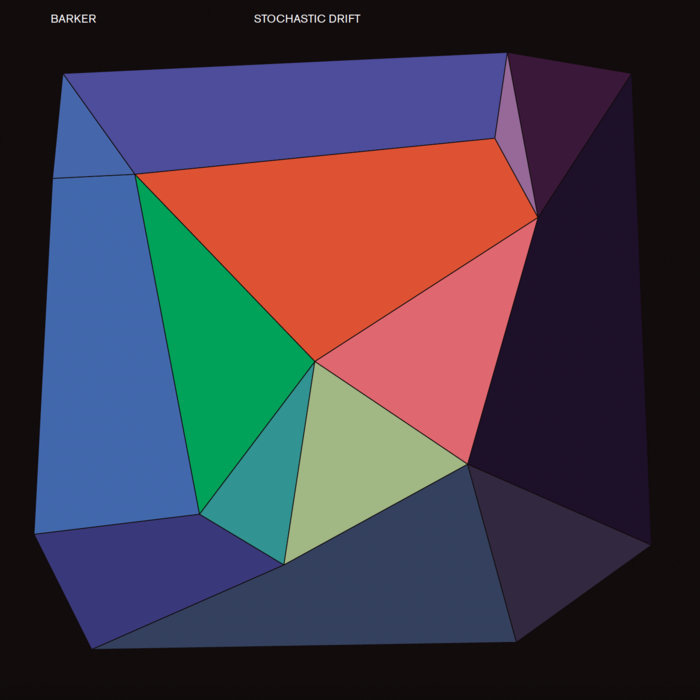
In a nutshell: With a palette of textures and tones that sound like a genuine one-off, Barker’s electronic compositional skill is peerless in 2025.
What I wrote: It’s a special thing when a piece of electronic music has sound design so rich and immersive it feels like you’re being submerged in crystal clear, chilly water. Now I have to admit that my impression of Stochastic Drift – British-born musician Sam Barker’s second LP – may have been coloured by my recent reading material. Roger Deakin’s Waterlog is a kind of nature travelogue where the author aims to swim his way across the UK, and it’s proven to be the perfect companion to this gorgeously-crafted electronic record. The textures blended across these eight tracks swell across damp shorelines, pads plopping like raindrops hitting the surface of a coursing river cutting through verdant landscapes. Alright, it’s fair to say this book definitely influenced my impressions. But water really does serve as a useful element to discuss this music, regardless of my recent choice of literature – Barker’s use of percussion purposefully never weighs the tracks down, contributing to a weightless, flowing quality. Take opener ‘Force of Habit’, the snare is a pleasing woody snap, and the bass drum hits seem to float somewhere close to the surface rather than down in the murky depths. For something that feels so organic, it’s not a surprise to learn that Barker used more acoustic instruments in this work than previous releases. The tracks on Stochastic Drift came together by experimenting with acoustic-MIDI instruments, by micing cymbals and testing the different resonances that could be discovered. These experiments pay off tremendously, pulling together tracks that can operate twofold depending on the type of listener you are – you can either float on the surface and enjoy the textures and meandering melodies, or you can dive below and discover new sounds with every fresh listen.
On the playlist: ‘Force of Habit’ & ‘The Remembering Self’
4. Rosalía – LUX
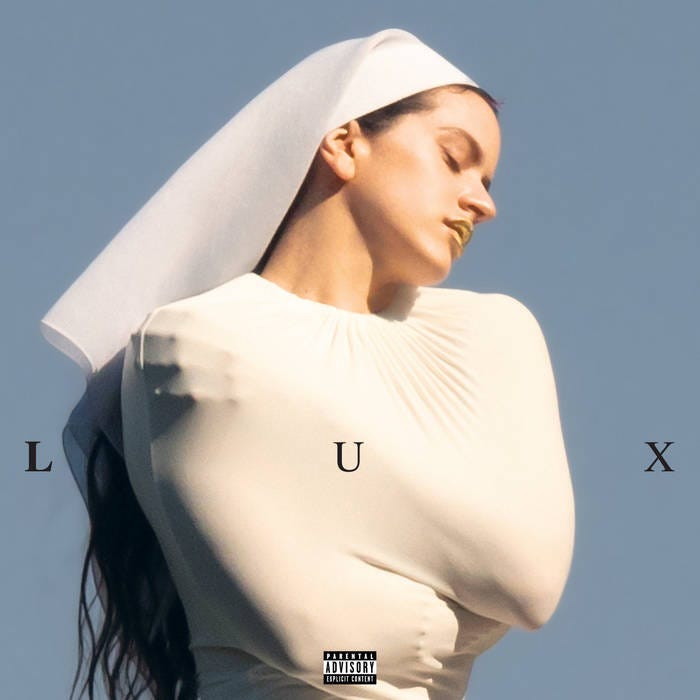
In a nutshell: A truly special piece of work, Rosalía shifts focus again to craft this document of sainthood through the lens of expansive orchestral weight.
What I wrote: We are lucky to be living in the same timeline as Rosalía, make no mistake. When music culture looks back on the varied discography of the Catalan artist, I truly believe it will receive the kind of reverence reserved for the work of only the greatest musical visionaries. Following the banger-stuffed Motomami, you’d have been forgiven for thinking Rosalía would continue to mine the chasm of hot and heavy electronic pop, reggaeton influence, and leftover flamenco flare from 2018’s El Mal Querer. Instead she’s smacked the music world over the head with a record of sweeping classicism and dramatic weight, collaborating with the likes of the London Symphony Orchestra and Björk, and choosing to sing in no fewer than 13 languages. This thing towers in its creative vision and culturally-literate references: poetry by Patti Smith; shards of influence from the great Clarice Lispector (a personal favourite writer of mine); French philosophy – all wrapped up in a record less interested in the dance floor than in the lives of European saints through the centuries. And yet, her ability to pull two completely different worlds together is astonishing – the flighty violins of ‘Reliquia’ provide the swoon alongside her powerful voice, but the track is periodically sliced into with pitched snares that glitch across the resonant orchestral drums. Elsewhere, on single ‘Berghain’, the restless orchestra and operatic vocals (including a turn from our favourite Icelandic queen) take a sudden left-hand turn with Yves Tumor singing “I’ll fuck you ‘till you love me”. The one I keep returning to is ‘La Yugular’, proof of her implicit understanding of dynamics and space. The track whispers, before creeping to its gorgeous, grandiose climax.
On the playlist: ‘La Yugular’ & ‘Divinize’
3. caroline – caroline 2
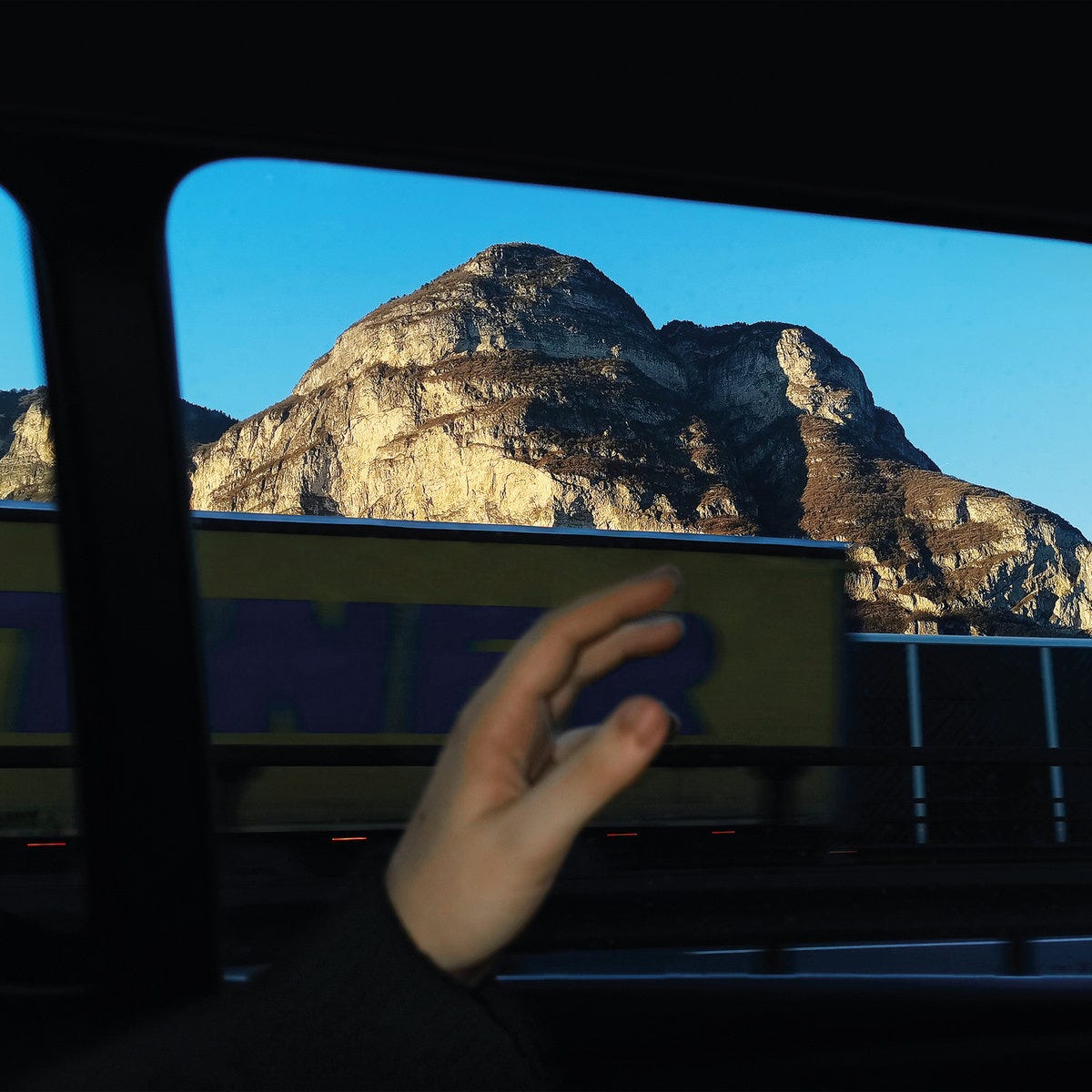
In a nutshell: The most delicate record of 2025, the London group’s use of space and silence is as compelling as their melodies.
What I wrote: If any band deserves to inherit the baton from Graham Sutton’s Bark Psychosis, it might just be caroline. If nothing else, I can’t remember the last time a group of musicians went to such lengths to utilise space on a record, using their sound to construct locations where their songs live and thrive. The eight-piece London collective refuse to rush through anything on caroline 2, often playing with sparseness as if it were an instrument. There are these sudden collisions of sound which make for such huge moments – opening track ‘Total euphoria’ trips along, it’s stop-start rhythms slinking over one another. You almost get the impression of a polished jam session, each musician feeling out the elements of the track and their place within it. ‘When I get home’ has this distant pounding bass drum, streets away from the room in which this otherwise lilting acoustic track is playing out. The reason I bring up Bark Psychosis is because Sutton was a master of space. He also never cared about genre – sure, the instruments used were ‘rock’ for lack of a better word, but you would never call Bark Psychosis a rock band. If anyone is carrying that old baton forward, caroline aren’t doing it through imitation but by inheriting the same spirit: the belief that sound can be a landscape, and that the most meaningful things often happen in the spaces between.
On the playlist: ‘Tell me I never knew that’ & ‘Coldplay cover’
2. Benefits – Constant Noise
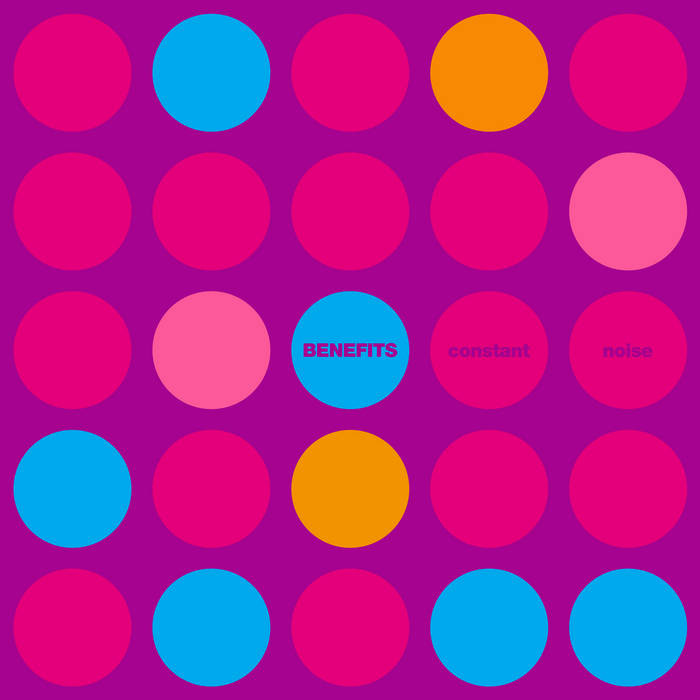
In a nutshell: Poisonous anger for our fractured society by way of throwback beats and swirling textures.
What I wrote: Middlesbrough duo Benefits returned with a heady concoction of 90s-flavoured techno and gorgeous beat-less interludes, colliding with a furious voice unlike anything else you’re likely to hear this year. Not wanting to slip into hyperbole, I’ll refrain from hailing frontman Kingsley Hall as the voice of a generation. But you’d be hard-pressed to find a better example of someone hardwired into the political and social anxieties coursing through Britain and – more broadly – the wider Western world. Hall is a man whose fury knows no bounds. Outwardly disgusted by the ills of society, the contempt for hypocrisy rising like bile in his throat on every track of Constant Noise. Those familiar with the first Benefits record, Nails, will recall the post punk noise, instruments and vocals all splintering into digital noise. Constant Noise is different – a track like ‘The Victory Lap’ locks into the kind of thumping groove that drives the best Underworld tracks. Elsewhere, ‘Missiles’ abandons the percussion altogether for a haunting melody and grumbling bass, fixing all attention on Hall’s reminder of how online culture and society sanitises the destabilising mess happening all around us. One of the highlights of the record, ‘Divide’, sports a metallic tripping beat and features a brilliant guest turn from Shakk, a collaboration I’d gladly hear more from in the future.
On the playlist: ‘The Victory Lap’ & ‘Divide’
1. Yazz Ahmed – A Paradise in the Hold
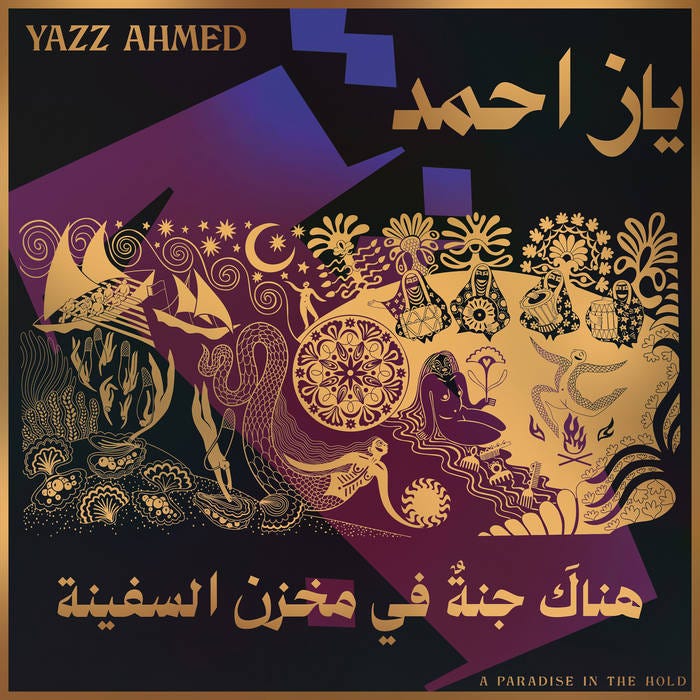
In a nutshell: A triumph of folkloric creativity, Yazz Ahmed swept me up with her songs of pearl divers, battered fisherman and mermaids skulking in the depths.
What I wrote: For her latest project British-Bahraini trumpeter Yazz Ahmed decided to craft a suite based around the folklore and music of her ancestral home. This creative endeavour resulted in A Paradise in the Hold, one of the most captivating records I’ve heard in a very long time. My knowledge of Bahraini folk music couldn’t fill the back of a Post-it note, but that hasn’t stopped me from connecting deeply with what Ahmed does with full-band jazz improv, electronic loops and first-class vocalists. The Ivor Novello-winning composer does something so expansive with the ten pieces that make up this release, frequently borrowing from the Bahraini folklore of weather-beaten fishermen, pearl divers, and the scales of mermaids glittering in the sunshine of the Persian Gulf. Marking the first time she has incorporated vocals into her compositions, Ahmed took inspiration from those folk tales, wrote lyrics in English and then translated some of them back into Arabic, using different vocalists across the breadth of the record. The brooding drama of track ‘Mermaids’ Tears’ has this brilliant duet between vocalists Randolph Matthews and Brigitte Beraha – as the track extends to its conclusion, both singers are producing these breathy textures that seem to evoke the unpredictable swirl of the ocean, a theme which plays such a key role in Bahraini folklore. ‘Dancing Barefoot’ is a flighty piece with sparing dramatic flourishes, the full band accompanied by the vibraphonist swapping out traditional instruments for milk bottle tops and cello bows constructed from coat hangers. Because why not, right? And a track like ‘Though My Eyes Go To Sleep, My Heart Does Not Forget You’ kicks things off with a synth loop which quickly finds its place amongst chants, hand percussion and a deep bass groove. On Bandcamp, Ahmed is described as ‘the high priestess of psychedelic Arabic jazz’, and on the basis of this incredible LP I think you’d be hard-pressed to argue with that.
On the playlist: ‘Mermaids’ Tears’ & ‘To the Lonely Sea’
There we have it, folks, Yazz Ahmed’s A Paradise in the Hold is my 2025 record of the year. I look forward to listening to it with you in the Listening Club session in a few weeks’ time.
And before I sign off, here are the AOTY 2025 playlist links for Spotify and Apple Music.
Sweet list, surprised not to see For Those I Love on there!
Great choices! Would love to hear what you thought about this year's big comeback albums like Pulp, Stereolab, These New Puritans, and Swans.